2024 - Present
Deliverables
Brand Identity and Strategy, and Website Design & Development
Client
ZEN
Industry
Media
Scope of work
Website Design & Development


introduction
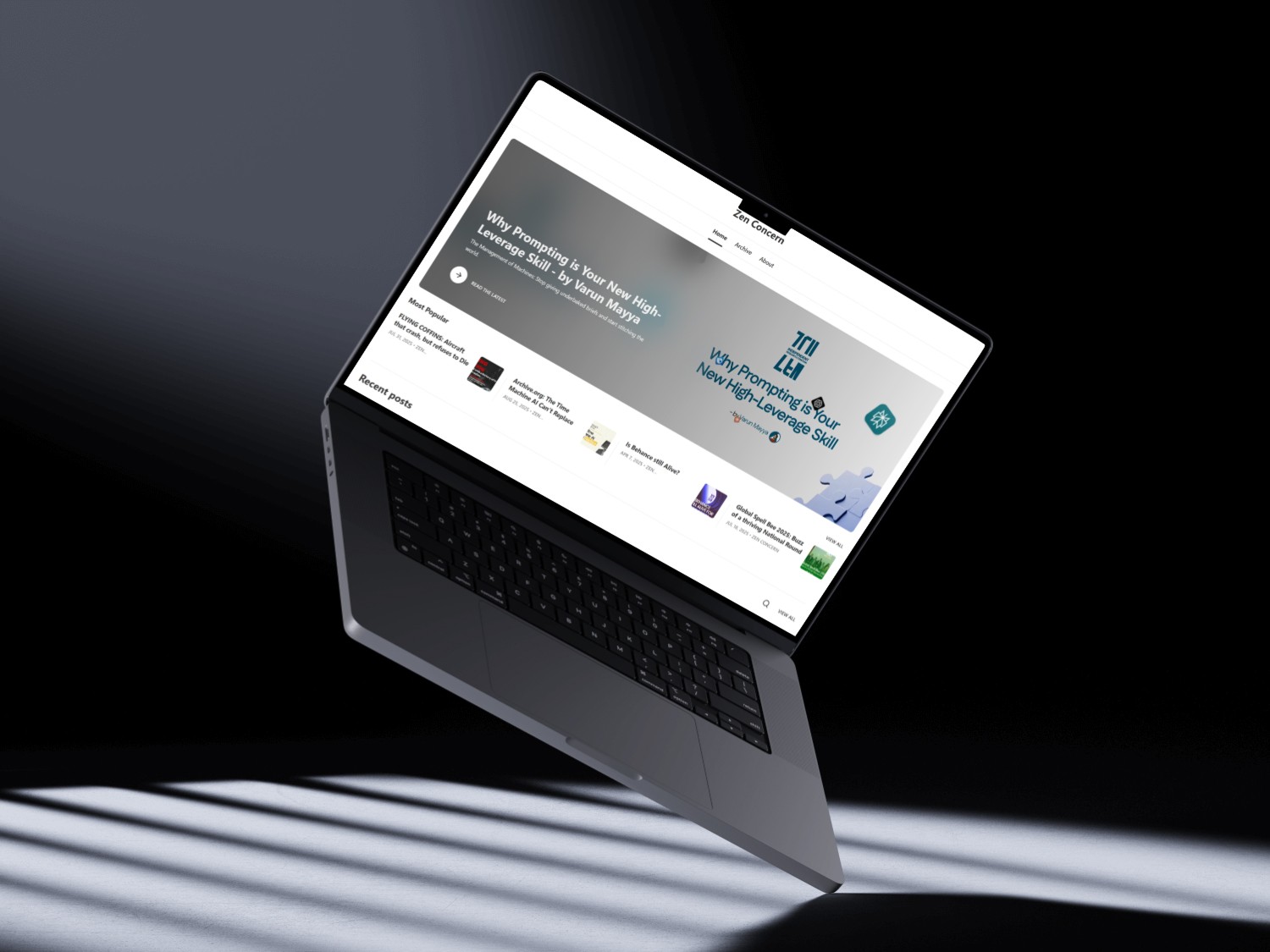
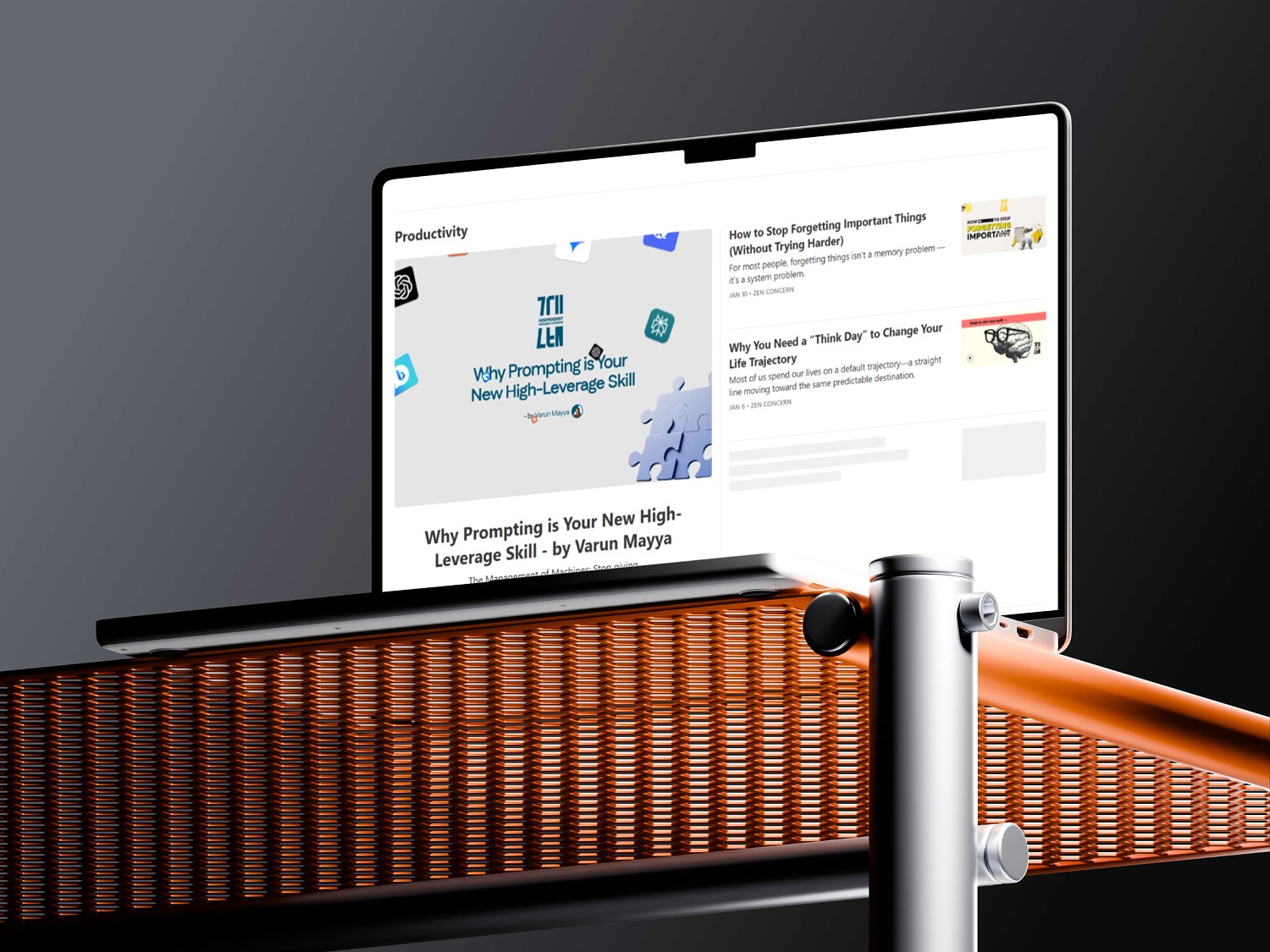
ZEN required a cohesive brand identity and digital presence that could communicate credibility, intellectual depth, and contemporary relevance within a research-driven context.
challenge
The primary challenge was to develop a brand system that could translate abstract, knowledge-intensive themes into a clear, engaging visual language. The identity needed to feel authoritative yet accessible, avoiding both academic rigidity and generic modern minimalism.
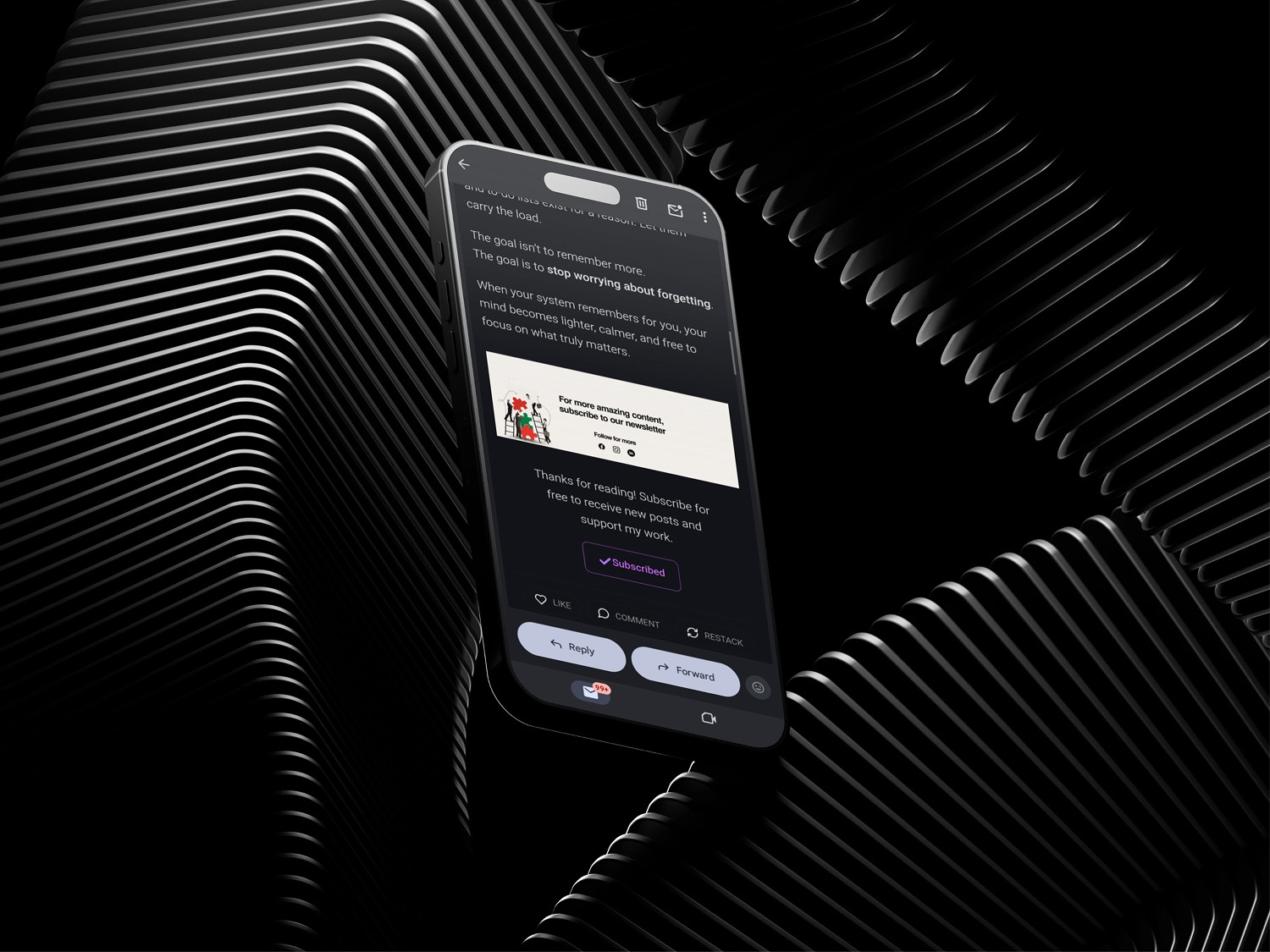
Additionally, the digital experience had to support content-first interactions, enabling users to effortlessly navigate research, ideas, and publications without cognitive overload. Achieving this balance required aligning visual hierarchy, typography, and layout structure to enhance readability, reinforce brand perception, and sustain long-form engagement.
The Vision
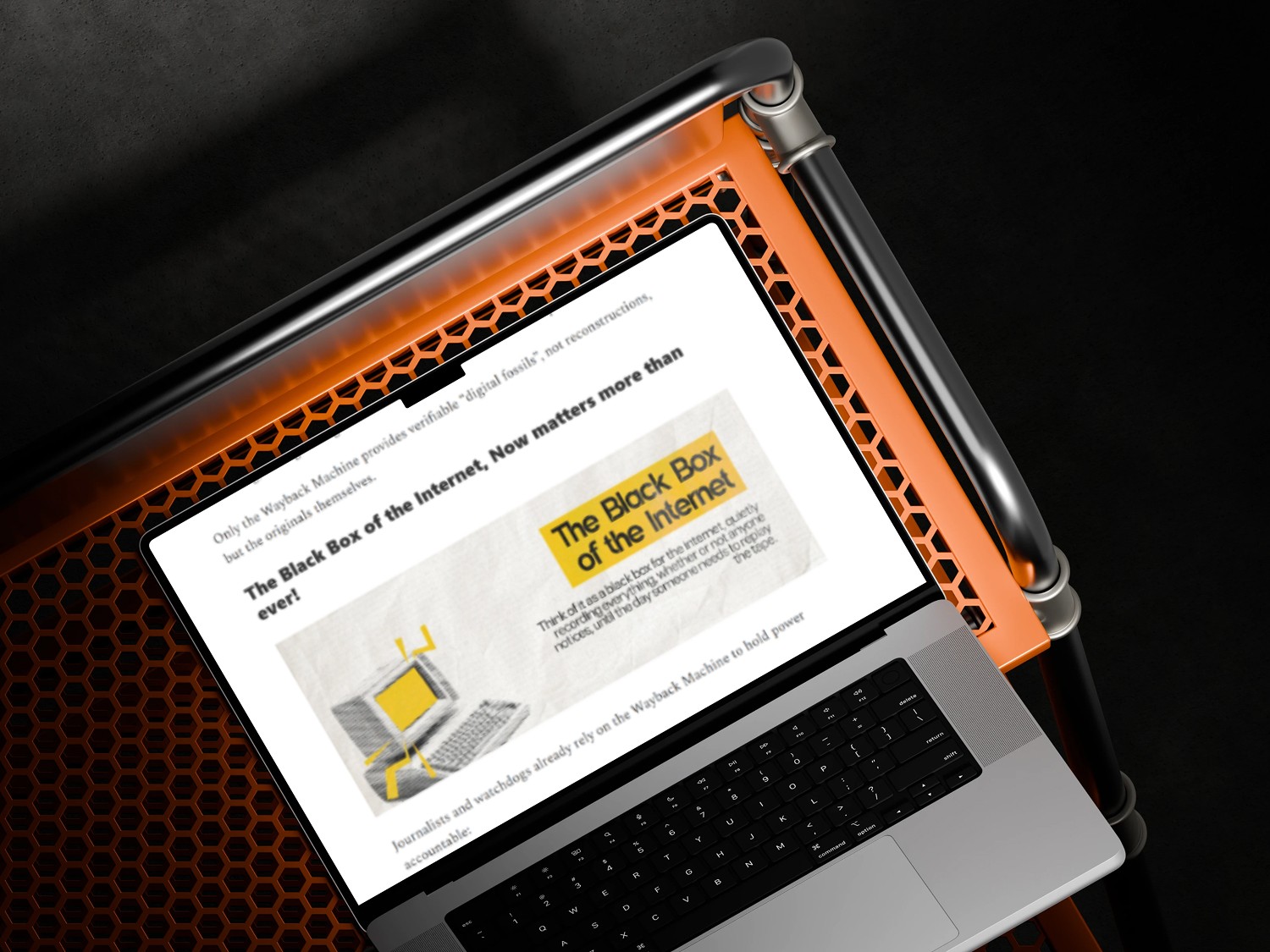
Zen Concern was envisioned as a brand and digital ecosystem capable of expressing intellectual depth through clarity and restraint. The objective was to create an identity that felt thoughtful, contemporary, and structurally aligned with knowledge-driven communication.
Approach
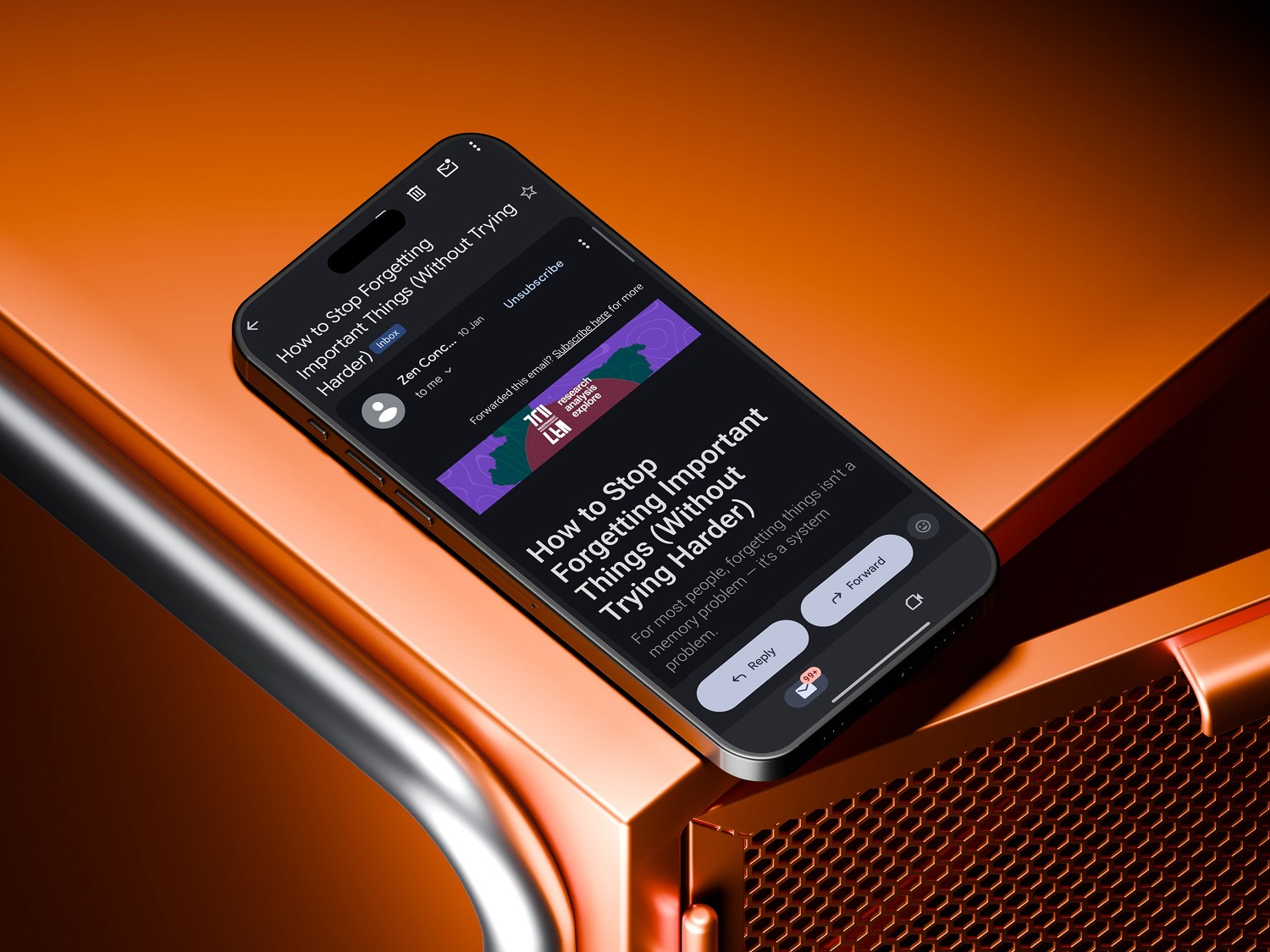
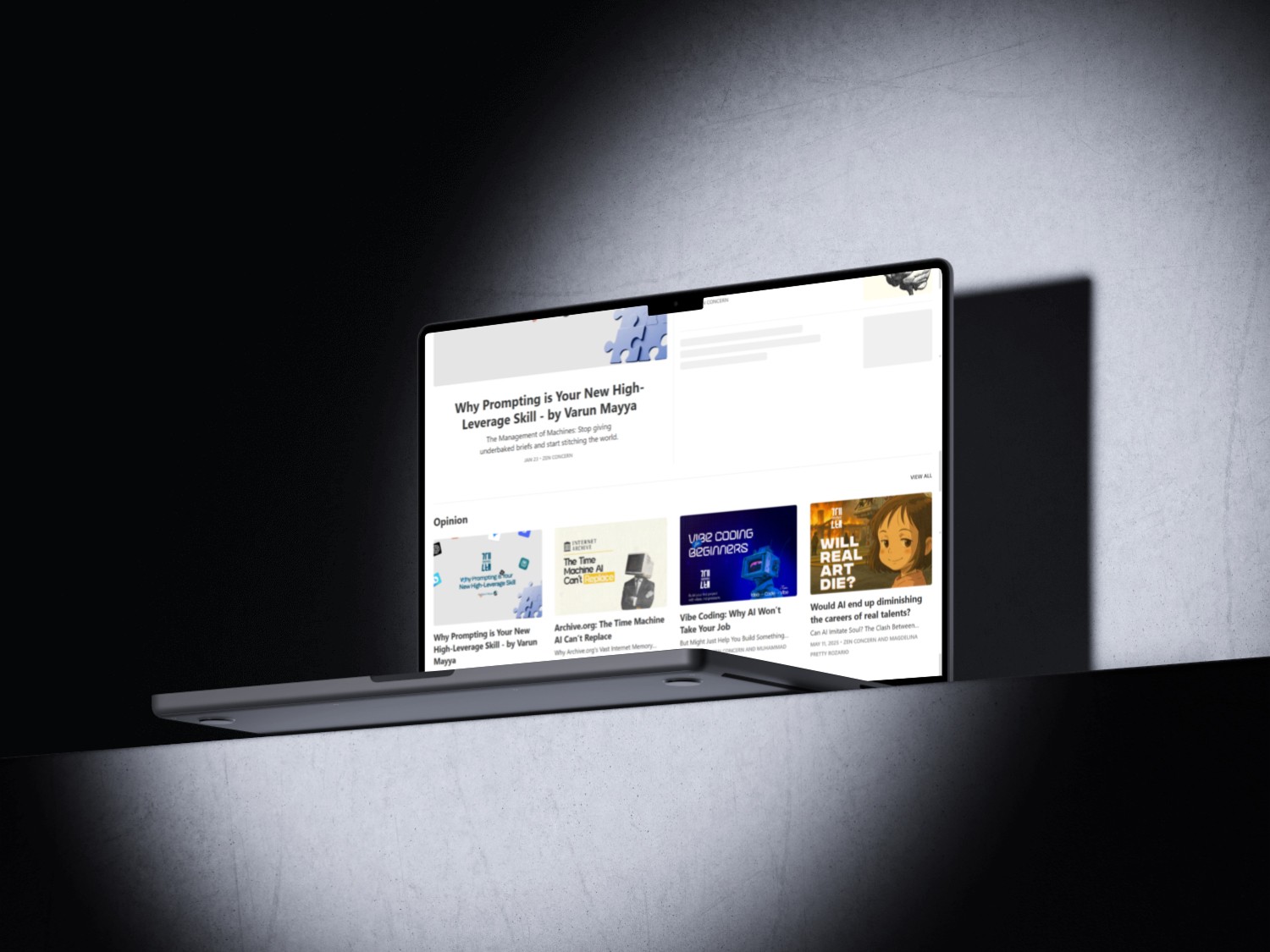
We approached Zen Concern as both a brand architecture and editorial experience design challenge. The focus was on transforming abstract, knowledge-heavy themes into a cohesive visual and interaction framework.
We began by defining an identity logic rooted in clarity, neutrality, and intellectual tone. Rather than relying on conventional academic aesthetics or expressive visual noise, we established a restrained visual language that emphasized structure, rhythm, and typographic precision. From a digital experience perspective, we designed a content-first interaction model. Information hierarchy, spacing systems, and compositional balance were calibrated to reduce cognitive load while preserving visual engagement. Typography played a central role, functioning not only as a stylistic element but as the primary mechanism for guiding attention, reinforcing meaning, and sustaining readability. The layout framework employed progressive information flow, allowing users to navigate ideas, research, and conceptual narratives effortlessly. Every interface decision prioritized interpretability, consistency, and perceptual comfort. By aligning brand restraint with editorial clarity, Zen Concern evolved into a structured digital presence that enhanced engagement, improved navigation behavior, and reinforced intellectual credibility.
Results
ZEN needed to function as a content-first environment supporting long-form ideas, research narratives, and conceptual exploration without distraction or cognitive fatigue, beyond visual distinction. The vision was to design a system where typography, layout, and hierarchy work together to sustain engagement, reinforce credibility, and enhance interpretability.
3X
Content Engagement
60%
Faster contact discovery
4.2x
Higher interaction with key sections
35%
Reduction in bounce rate